
CEO Vision
A more credible, accessible, and human future for integrative care.
InnerVital is being built to make Traditional Chinese and East Asian Medicine-rooted care easier to understand, easier to trust, and easier to access for patients, practitioners, institutions, and communities.
The founding idea
Complementing Western medicine, not replacing it.
InnerVital was created around a simple belief: many people need more supportive care than the conventional healthcare system is currently organized to provide. Patients may be dealing with pain, stress, poor sleep, trauma exposure, addiction recovery pressure, depression, grief, chronic disease burden, or the daily exhaustion of trying to navigate fragmented care.
Traditional Chinese and East Asian Medicine offers a whole-person way of looking at the body, patterns, lifestyle, stress, recovery, and resilience. Western medicine offers essential diagnostics, emergency care, pharmaceuticals, surgery, specialty care, and evidence-based treatment. The InnerVital vision is not to create a false choice between the two. It is to build a responsible bridge.
That bridge must be clinically disciplined. It must be safety-conscious. It must be clear about scope of practice. It must avoid exaggerated claims. It must respect medical evaluation and referral when needed. And it must preserve the depth, humanity, and practical wisdom that make these healing traditions meaningful to patients.
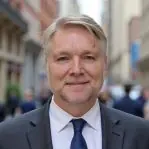 George Huene
The InnerVital standard
- East Asian medicine-rooted care delivered with modern clinical responsibility
- Fast, affordable, safety-conscious treatment access where appropriate
- Clear intake, screening, documentation, and referral awareness
- Practical lifestyle support that helps patients participate in their own care
- Respect for both ancient healing traditions and modern healthcare expectations
What we are building
A platform, not just a clinic.
The long-term vision for InnerVital is an integrated health platform that can serve patients directly while also supporting practitioners, institutions, research, education, and underserved communities.
InnerVital clinics
Community and institutional clinics designed around acupuncture, Traditional Chinese and East Asian Medicine, herbs, Tuina, supportive care, and coordinated whole-health services.
InnerVital Academy
Training pathways that help practitioners strengthen clinical readiness, documentation habits, patient communication, business operations, and institutional credibility. As education costs, practice expectations, and healthcare standards evolve, InnerVital Academy is intended to help practitioners become more practice-ready, institution-ready, and supported after licensure while preserving the depth and integrity of East Asian Medicine.
InnerVital Research
Outcomes-oriented research initiatives intended to evaluate where East Asian medicine-rooted supportive care may be most useful and responsibly integrated. Credibility should come from careful documentation, patient-reported outcomes, safety tracking, utilization data, and responsible research partnerships, not exaggerated claims.
Better Earth Foundation
An affiliated 501(c)(3) foundation built to support access, education, research, community partnerships, and care for people who cannot fully afford treatment.
Mission-aligned growth
Scale should serve the mission.
InnerVital is intended to grow, but not at the expense of trust. The goal is not a quick flip or a short-term wellness trend. The goal is to build durable value around a model that can earn confidence from patients, practitioners, hospitals, schools, foundations, employers, public agencies, and community leaders.
That requires mission-aligned backers, careful governance, responsible language, strong operating standards, and a willingness to build patiently. Growth matters because access matters. But growth only matters if the care model remains credible, ethical, and useful to the people it exists to serve.
Community impact
A community health solution that cares.
The InnerVital model is being built for paying patients and for people who are least likely to receive supportive integrative care through ordinary private-pay healthcare. That includes communities where cost, transportation, trust, insurance complexity, and lack of nearby services create real barriers.
In neighborhoods where liquor stores, tobacco shops, gambling storefronts, and crisis-driven care are often more visible than accessible healing resources, InnerVital should represent a different kind of presence: practical, safe, affordable, hopeful, and grounded in human dignity.
Communities such as Englewood, Austin, and other underserved areas deserve access to responsible supportive care for stress, pain, sleep, recovery, trauma exposure, addiction recovery pressure, and emotional burden, without overpromising and without asking patients to choose between cultural trust and clinical responsibility.
Institutional readiness
Building the credibility to work beyond the clinic walls.
InnerVital is preparing for a future where East Asian medicine-rooted supportive care can be delivered in clinics, hospital-adjacent programs, employer and union settings, senior living communities, schools, correctional environments, recovery-support settings, and other partner programs when appropriate governance is in place.
Responsible clinical framing
We use careful language: supportive care, appropriate referral, patient education, and no cure-based promises.
Operational discipline
Organizational partners need repeatable workflows, documentation, escalation awareness, and scope-conscious roles.
Human-centered access
The model should help people receive care earlier, more affordably, and with greater dignity before problems become more costly and harder to manage.
The deeper vision
Empowerment is part of the care experience.
InnerVital should not make patients feel passive, inferior, or dependent. The practitioner has an important role, but the patient is not simply a problem to be processed. The patient is an active participant in healing, behavior change, self-awareness, resilience, and daily health choices.
That same principle matters in women’s health and life-stage care, where patients often need more time, careful listening, scope-conscious support, and coordination with appropriate medical clinicians.
In an age where healthcare can feel impersonal and technology can make people feel smaller, InnerVital should stand for something more human: care that helps people understand their bodies, participate in their recovery, and feel more agency over their health journey.
A careful promise
InnerVital does not promise cures or guaranteed outcomes. The promise is to build a serious, compassionate, safety-conscious integrative care model rooted in Traditional Chinese and East Asian Medicine, respectful of Western medicine, and committed to access, education, research, and community impact.
Looking ahead
Our flagship clinic.
The planned Chicago Loop flagship at 18 N Wabash is the first physical expression of this vision. After Wabash, InnerVital intends to evaluate additional clinics, partner programs, education, research, practitioner development, and foundation-supported access as operations, staffing, demand, and capital allow.
This is the work: preserve what is powerful about Traditional Chinese and East Asian Medicine, modernize how it is delivered, validate what can be responsibly measured, train practitioners to operate with higher standards, and bring supportive care to people and communities who need it most.
This page is informational and does not provide medical advice. Services vary by provider, location, license, scope of practice, staffing, state rules, insurance participation, and clinical appropriateness.